西班牙瓦伦西亚:一缕丝绸,一座城的千年故事
The elegant dresses that thousands of Valencian women proudly wear, not only during Las Fallas, but at any festival or celebration, are special for many reasons. The symbolism is not the only thing that makes them special, preserving a centuries-old tradition, or their colourful designs of flowers. They are also a reminder of the historical importance of silk in Valencia.
成千上万瓦伦西亚女性自豪穿着的优雅长裙——不仅在火祭节期间,也在任何庆典场合——其特别之处远不止于华美外观。这些服饰所承载的象征意义、延续数百年之久的古老传统,以及缤纷绚丽的花卉纹样,共同诉说着丝绸在这座城市历史上的重要地位。
The silk business flourished in Valencia between the 15th and 19th centuries, placing the city at the heart of one of the most important commercial and cultural routes in the world: the Silk Road between East and West. Nowadays, you can find traces of it in different parts of the city, and in traditions such as Valencian dress.
15至19世纪间,丝绸贸易在瓦伦西亚蓬勃兴盛,使这座城市成为连接东西方的丝绸之路这一世界级商贸与文化通道的关键枢纽。如今,您依然能在城市各处——从古老建筑到瓦伦西亚传统服饰——寻见这段辉煌历史的痕迹。
The silk hidden in the ornate garments
丝韵入魂,华服的浪漫
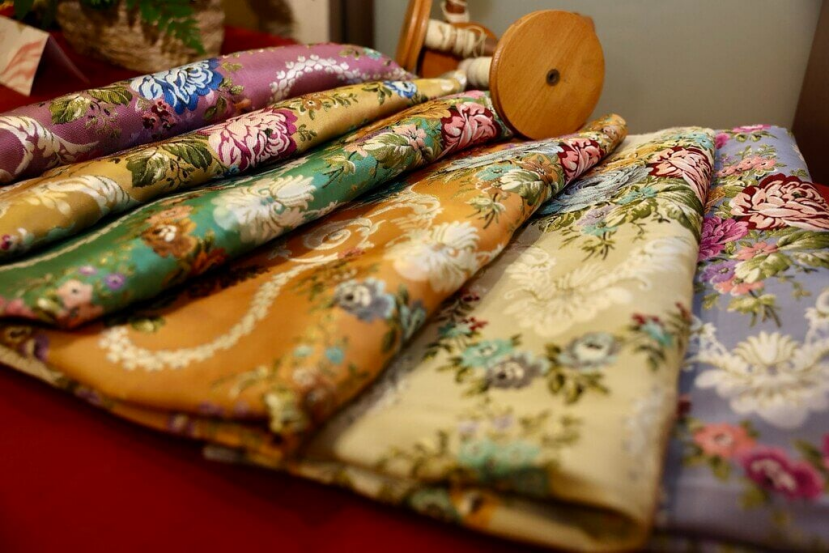
Silk fabrics are always preferred as far as the budget allows, it is now common to find dresses made from cotton or rayon fabrics. And only Valencia's Falleras Mayores, or those who can afford to invest several thousand euros in a dress, wear espolín, Valencia's finest silk adornment.
在预算允许的情况下,丝绸面料始终是首选,如今棉质或人造丝面料制成的长裙也已十分普遍。然而,唯有瓦伦西亚的火祭女王,或是那些愿意投入数千欧元购置一套华服的人,才会穿上被称为埃斯波林的织物——那是瓦伦西亚最顶级的丝绸装饰。
Espolín, which is a type of spun fabric, is a high-quality silk cloth, woven by hand using small shuttles to pass the threads that make up the patterns. Only three artisan espolín weavers remain in Valencia who continue to use traditional methods and wooden looms to create these authentic works of art: Compañia Valenciana de la Seda, Vives y Marí and Espolines de Garín, a company founded in 1820.
埃斯波林是一种高支捻纺丝绸,需手工操作小型梭子穿梭丝线,以织出精密图案。在瓦伦西亚,仅有三位手工艺人仍在使用传统木制织机,以古法织造这件堪称艺术品的织物:他们分别来自瓦伦西亚丝绸公司、维维斯与马里工坊,以及创立于1820年的加林埃斯波林工坊。
Visitors to the new Silk Factory Museum in Moncada, in the Garín area north of Valencia, can see for themselves how a silk thread is woven. The museum also exhibits looms, designs and samples of fabrics and clothing, and you can learn more about the history of this family business and the silk tradition in Valencia.
若想亲眼见证一根丝线如何织成锦绣,不妨前往瓦伦西亚北部加林地区新近开放的蒙卡达丝绸工厂博物馆。馆内不仅陈列着历代织机、设计稿、面料与服饰样本,更娓娓道来这个家族企业与瓦伦西亚丝绸传统的悠长故事。
However, silk continues to be used not only in the traditional Valencian dresses but also by modern Valencian designers such as Francis Montesinos, who often make use of this delicate fabric. Vida y Milagros is a shop specialising in natural silk kimonos, combining Mediterranean style and oriental inspiration.At Ensedarte, the artisan Eva Escamilla sells beautiful hand-painted silk scarves and other silk items, and even workshops in which participants can paint their own silk scarf.These are contemporary examples of the silk business in Valencia.
丝绸的生命力并未止步于传统。当代瓦伦西亚设计师如弗朗西斯·蒙特西诺斯,亦常将这一精致面料融入现代时装。Viday Milagros 则是专营天然丝绸和服的店铺,巧妙融合地中海风情与东方灵感。而在Ensedarte,工匠伊娃·埃斯卡米拉不仅出售精美的手绘丝绸围巾等制品,更开设工坊,让参与者亲手绘制属于自己的丝巾。这些皆是丝绸产业在当代瓦伦西亚焕发新生的例证。
A thread marking the history of silk in the city
一条贯穿城市历史的丝线
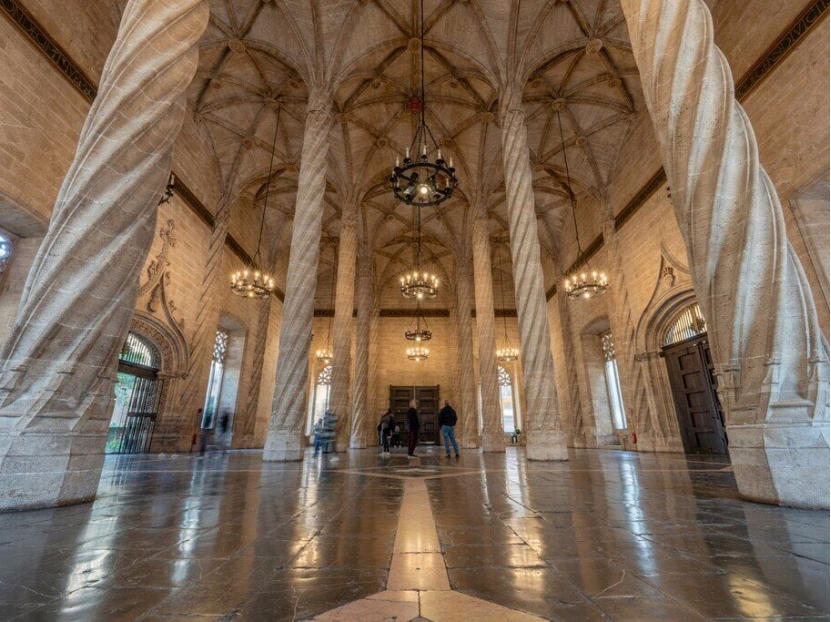
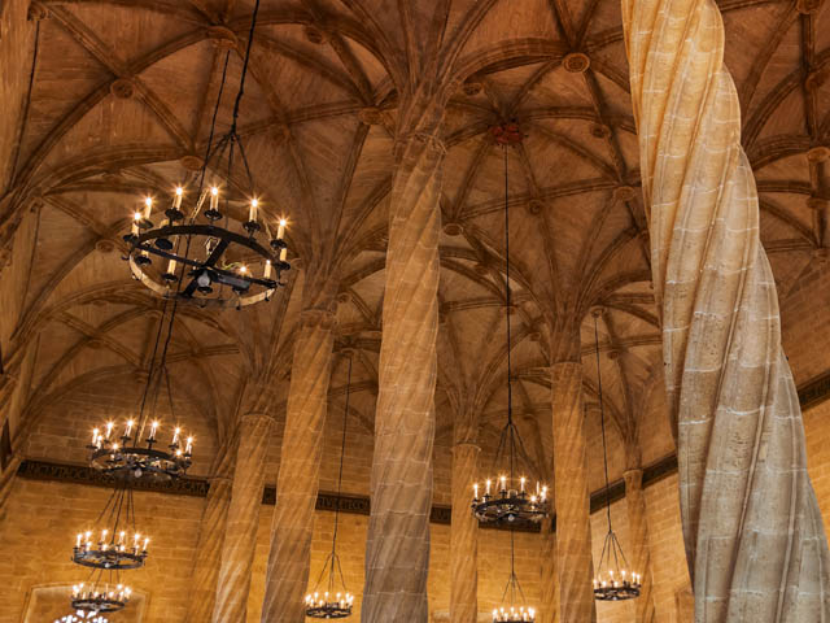
In the Middle Ages, commercial transactions took place in the Lonja de la Seda (The Silk Exchange), a jewel of Gothic civil architecture recognised as a UNESCO World Heritage Site. Visiting it is a key feature of the Valencia Silk Road,where you can follow the legacy of this trade in the city with a walking tour.
回溯中世纪,所有重要交易皆在丝绸交易市场中完成——这座被联合国教科文组织列为世界遗产的哥特式民用建筑瑰宝,至今仍是探访瓦伦西亚丝绸之路的核心地标。沿着一条步行路线,您将亲身漫步于这段贸易传奇留下的城市肌理之中。
The route passes through the velluters neighbourhood (or El Pilar neighbourhood), where the master silk weavers who wove velvet (vellut in Valencian, hence its name) settled. At its peak in the 18th century, it is estimated that there were around 5,000 looms producing silk fabrics in the neighbourhood. The wealth and prestige of
the velluters' guild can still be seen in the architecture, with examples such as the Tamarit Palace, a former silk workshop-house.
这条路线贯穿贝柳特斯区(又名皮拉尔区)——昔日专织天鹅绒的丝绸大师们聚居之地。18世纪鼎盛时期,估计区内曾有约5000台织机同时运转。贝柳特斯行会往昔的财富与声望,仍镌刻在如塔马里特宫(一座由丝绸作坊宅邸改建的宫殿)等宏伟建筑之中。
The Valencian silk industry declined in the 19th century with automation and the arrival of epidemics that affected silkworm rearing. Economic difficulties led to the silk workers' rebellion with a mutiny in 1856 demanding better wages. This early example of proletarian vindication is commemorated with fire every year, in the last weekend of January, with the Foguera del Motí des Velluters in the Plaza del Pilar.
19世纪,自动化冲击与蚕瘟蔓延使瓦伦西亚丝绸业走向衰落。经济困境最终在1856年激起了丝绸工人的抗争,要求提高薪资。这段早期工人运动的历史,每年一月的最后一个周末,都会在皮拉尔广场的“贝柳特斯起义之火” 纪念仪式中,随火焰重生。
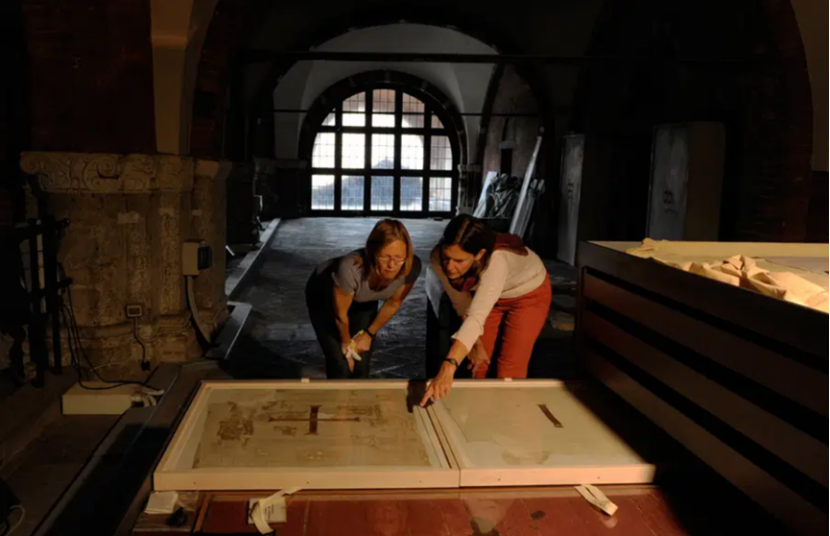
The headquarters of the velluters' guild was established in the Colegio del Arte Mayor de la Seda, a beautiful 15th century building declared a national historic-artistic monument. Refurbished by the Hortensia Herrero Foundation, it now houses the Silk Museum. As well as admiring the colourful ceramic floors and frescoes inside, numerous documents relating to the guild can be seen here in its historical archive, as well as old looms and working tools. There is also no shortage of exquisite silk textiles and antique clothing.
贝柳特斯行会的总部设于高级丝绸艺术学院内。这座建于15世纪的华美建筑,已被列为国家历史艺术纪念物,经奥尔滕西亚·埃雷罗基金会修缮后,如今成为瓦伦西亚丝绸博物馆的所在地。馆内不仅可欣赏色彩绚丽的釉面地砖与湿壁画,其历史档案中更珍藏着大量行会文献,佐以古老织机、工具,以及无数精美的丝绸纺织品与古董服饰,令人叹为观止。
The silk route reveals the importance of silk and its trade to Valencia. The city has Europe's largest archives relating to silk, and important collections of 18th century silk textiles and looms. Every year, the fiestas in Valencia showcase the traditional silk costumes of the region, and the city conserves what was once the centre of its silk trade, the Lonja or Silk Exchange, now a World Heritage site
这条丝绸主题路线深刻揭示了丝绸及其贸易对瓦伦西亚的意义。这里保存着欧洲规模最大的丝绸相关档案,以及至关重要的18世纪丝绸纺织品与织机收藏。每年节庆时分,瓦伦西亚人身着传统丝绸华服的风采,与作为昔日丝绸贸易心脏、现已跻身世界遗产的丝绸交易市场一道,无声诉说着这座城市与丝绸共生的历史。
Silk in the museums
博物馆中的丝绸记忆
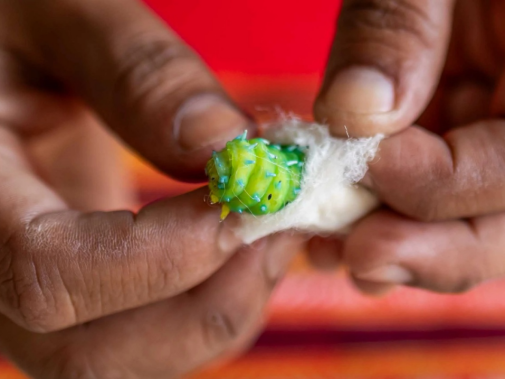
The museum also delves into the history of silk production and trade in Valencia, from the introduction of silkworms and mulberry cultivation by the Arabs in the 8th century. From then on, the peri-urban orchards were covered with mulberry fields, and the peasants raised silkworms in andanas, special frames made of reeds, in their huts and farmhouses.
博物馆亦系统梳理了瓦伦西亚丝绸生产与贸易的千年历程:自8世纪阿拉伯人引入桑蚕养殖与种植技术始,城郊田园遍植桑树,农人则在棚屋中于芦苇编制的专用蚕架安达纳斯上悉心养蚕。
The city's museums reflect the importance of silk and the silk trade for Valencia, mainly in the second half of the 18th century. ** There are many silk items in the holdings of the National Ceramics Museum, housed in a splendid example of Spanish Baroque architecture. The Cathedral Museum displays religious vestments made of silk, and paintings in the Museum of Fine Arts depict figures in luxurious silks, underlining the value of Valencia's silk industry. Meanwhile, the L'Íber Museum of Lead Soldiers, in Malferit Palace, has a room devoted to the silk route.
瓦伦西亚的众多博物馆,共同印证了丝绸产业(尤其是18世纪后半叶)对这座城市的意义。国家陶瓷博物馆(其馆舍本身便是西班牙巴洛克建筑的杰作)馆藏中包含大量丝绸文物。大教堂博物馆陈列着丝绸制成的宗教法衣,而美术博物馆的画作则生动再现了身着华贵丝绸的人物,无声彰显着瓦伦西亚丝绸产业的昔日荣光。此外,位于马尔费里特宫的铅兵博物馆内,特设有一个专门展示丝绸之路的展厅。
Silk in the fiestas
节日中的丝绸华章
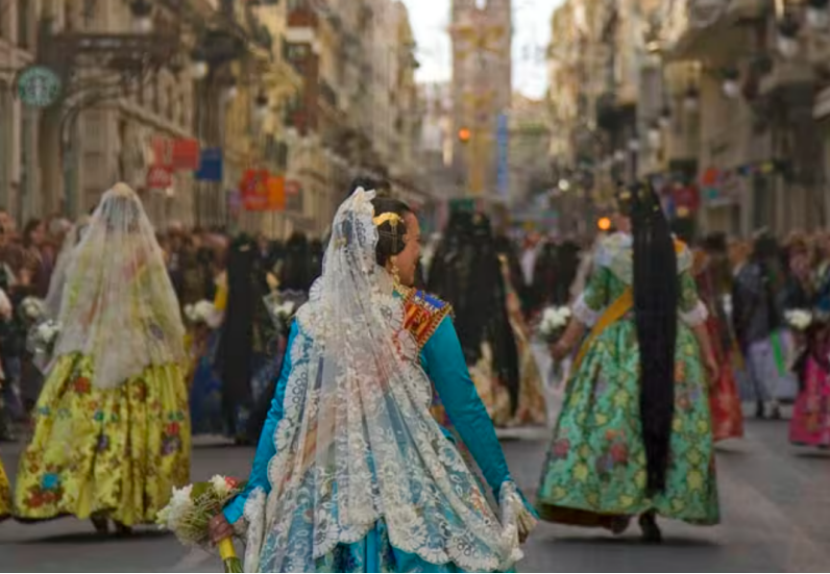
Las Fallas de San José are the city's main fiestas, and a good time to see the traditional costume of the region. Many of these garments are made of brightly coloured, patterned silk, especially the women's (the Fallera costume). Las Fallas de San José are held in the first weeks of March and fill the city with papier-mache figures (ninots) satirising current affairs and celebrities. The fiesta concludes on the night of the 19th with the burning (cremà) of most of these ephemeral figures.
圣何塞火祭节是瓦伦西亚最重要的年度盛事,也是观赏本地传统服饰的最佳时机。许多服饰——尤以女性火祭女郎装为甚——采用色彩明艳、纹样华丽的丝绸制成。火祭节于三月初举行,届时城市将遍布以纸浆塑成、讽喻时事的人偶。节日在19日夜晚以焚烧绝大多数人偶的 “火焚仪式” 达到高潮,为这场璀璨盛宴画上句号。
内容来源|spain.info
转载请注明来源:世界丝绸网