马特卡粗纺茧绸:印度古吉拉特与西孟加拉邦的粗砺雅韵
Matka silk, known for its unique and rustic texture, is a testament to the beauty and versatility of traditional Indian textiles. Originating from the states of Gujarat and West Bengal, this handwoven silk has gained significant popularity in contemporary fashion circles for its natural, coarse texture and the intricate craftsmanship of the weavers. In this article, we delve into the history, production process, and the contemporary appeal of Matka silk sarees and fabrics from these two culturally rich regions of India.
马特卡粗纺茧绸因其独特而又粗糙的纹理而闻名,它完美体现了印度传统纺织品的美感及其广泛用途。这种手工编织的丝绸起源于古吉拉特邦和西孟加拉邦,它由织工精心织就,又凭借其天然而粗糙的质感成为当代时尚界的宠儿。本篇文章将带您深入探寻马特卡粗纺茧绸的历史渊源,帮您了解它的制作工艺,并最终带您领略这件深植于印度文化厚土的马特卡丝绸莎在当今时代的独特魅力。
The Origin and History of Matka Silk
马特卡粗纺茧绸的历史渊源
Matka silk is produced from the waste of Bombyx mori silk cocoons, often referred to as ‘mulberry silk’. Unlike the smoother silk varieties, Matka silk has a slightly coarse texture, which gives it a distinct appearance and feel. The term ‘Matka’ refers to the rough hand-spun yarn obtained from the silk waste. This silk variety has been traditionally woven in the villages of Gujarat and West Bengal, where skilled artisans have passed down their weaving techniques through generations.
马特卡粗纺茧绸以桑蚕茧的下脚料(俗称“废茧”)为原料。与其他质地光滑的丝绸不同,它略带粗砺的肌理,赋予了其独一无二的外观与触感。“马特卡”一词,正是指由这种丝质废料纺出的粗制手纺纱。根据传统,马特卡粗纺茧绸一般产自拉特邦和西孟加拉邦的村庄,其织造工艺由匠人传承。
In Gujarat, the art of Matka silk weaving has been an integral part of the state’s textile heritage. The Gujarati weavers are known for their vibrant dyeing techniques and intricate motifs that reflect the region’s rich cultural heritage. West Bengal, on the other hand, brings a different aesthetic to Matka silk with its subtle hues and sophisticated designs, influenced by the state’s rich artistic traditions.
在古吉拉特邦,马特卡粗纺茧绸的织造艺术是该邦纺织遗产不可或缺的一部分。当地织工以鲜活的染织技艺与繁复纹样见长,充分体现了该地区丰富的文化底蕴。而西孟加拉邦的马特卡粗纺茧绸却有着别致的美感。该邦出产的丝绸受其深厚传统艺术的影响,色泽淡雅,设计精巧。
The Weaving Process
手工织就的独特肌理工艺
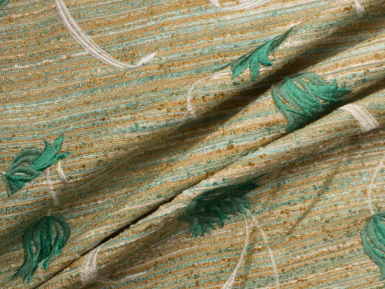
The production of Matka silk involves several meticulous steps. The silk waste is first collected and then hand-spun into yarn. This yarn is coarser than the typical silk threads, which gives Matka silk its signature texture. The spinning process itself is an art, requiring precision and expertise to ensure that the yarn is even and strong.
马特卡粗纺茧绸有一套严丝合缝的制作流程。第一步需要收集废茧,之后将其手纺成粗纱。与传统丝线相比,这种丝线为粗糙,赋予马特卡粗纺茧丝独特质感。纺织工序本身就是一门艺术,需要专业匠人们的精准把控,确保纺成的丝线匀称坚韧。
Once the yarn is ready, it is dyed using traditional methods. In Gujarat, the dyeing process often involves bright, bold colors, achieved through natural dyes made from plants and minerals. West Bengal’s dyeing techniques tend to favor more muted, pastel shades, reflecting the state’s affinity for understated elegance.
纺成的丝线需要古法染制。吉拉特邦喜欢用由植物或矿石制成的天然染剂染出明亮、鲜艳的颜色。西孟加拉邦则偏好哑光的淡色,折射出该地区含蓄的审美意趣。
The dyed yarn is then woven on handlooms to create the fabric. The weaving process is intricate and time-consuming, with each region adding its unique touch. Gujarat’s weavers are known for their vibrant patterns and motifs, while Bengal’s weavers often incorporate delicate, intricate designs.
将染色的丝线放入织机织成布料。整套编织工艺复杂且耗时,两邦在这道工序的处理上各不相同,赋予丝绸不同的触感。吉拉特拉邦的织工以鲜艳的纹样和图案见长,而西孟加拉邦的织工则更注重精密、细腻的设计。
Matka Silk in Contemporary Fashion
马特卡粗纺茧绸的现代时尚演绎
Matka silk has found a significant place in contemporary fashion, appealing to those who appreciate the blend of tradition and modernity. The fabric’s coarse texture and natural sheen make it ideal for creating sarees, suits, and other garments that exude a rustic charm.
马特卡粗纺茧绸在当代时尚圈的地位举足轻重,是传统与现代感交织设计爱好者的心头好。其面料粗砺的肌理与自然的光泽,使之成为营造质朴韵味的理想选择,常用于裁制纱丽、套装及其他服饰。
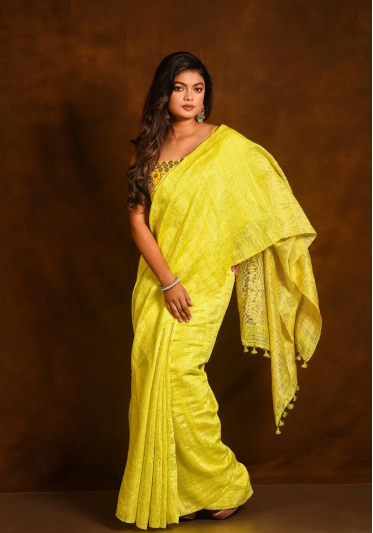
Sarees: Matka silk sarees are particularly popular among women who appreciate traditional weaves with a contemporary twist. These sarees are often adorned with intricate embroidery, zari work, or hand-painted motifs, making them suitable for both casual and formal occasions. The sarees from Gujarat tend to be more vibrant and festive, while those from West Bengal are often more subtle and elegant.
莎丽:钟爱传统与现代交融之美的妇女非常喜爱马特卡丝绸莎丽。莎丽上饰有细腻的扎里刺绣和一些漂亮的手绘图案,不管是正式场合还是日常的休闲穿搭,马特卡莎丽都能胜任。古吉特拉邦的莎丽色泽艳丽,颇具经典风味。而西孟加拉的莎丽则更显淡雅,颇具含蓄之美。
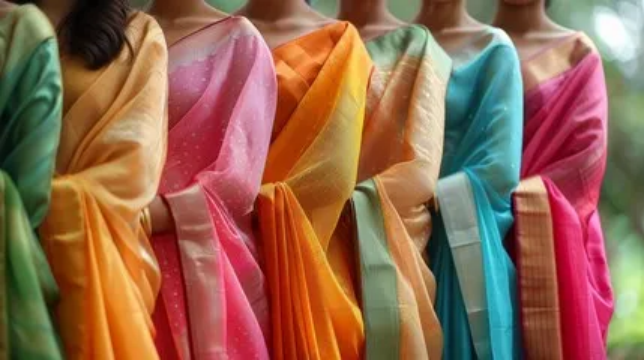
Fabrics: Matka silk fabrics are used to create a variety of garments, including blouses, skirts, and dresses. Designers love working with Matka silk because of its versatility and unique texture, which adds a distinct character to any piece of clothing. The fabric drapes beautifully and is comfortable to wear, making it a favorite for both summer and winter wardrobes.
布料:马特卡丝绸面料可以用来制作包括衬衫、短裙、连衣裙在内的多种服装。马特卡粗纺茧绸用途广泛,质感独特,为每一件衣服注入独特质感,受到设计师的青睐。它垂坠有致、穿着舒适,春夏皆宜。
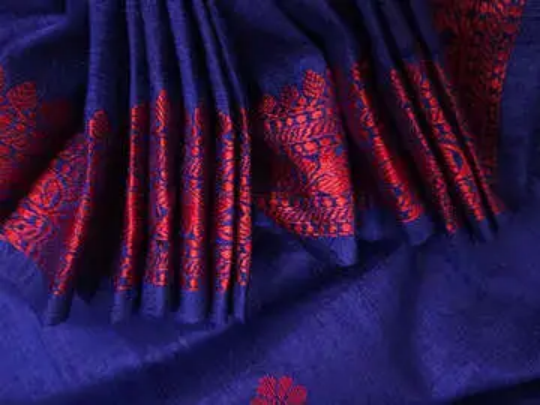
Home Decor: Beyond clothing, Matka silk is also used in home decor items like cushion covers, curtains, and bedspreads. The fabric’s durability and rich texture make it ideal for adding a touch of luxury to home interiors.
室内装饰领域:除服装外,马特卡丝绸亦广泛应用于室内装饰品,如靠垫套、窗帘与床罩。其面料质地坚韧、肌理丰盈,能为家居空间注入奢华质感,是提升室内格调的理想之选。
Conclusion
结语
Matka silk, with its rich history and unique texture, continues to be a cherished fabric in both traditional and contemporary fashion. The weavers of Gujarat and West Bengal have kept this art alive, infusing it with their regional aesthetics and craftsmanship. Whether it’s a vibrant saree from Gujarat or an elegant fabric from West Bengal, Matka silk stands as a symbol of India’s diverse textile heritage and its timeless appeal.
马特卡丝绸以其深厚历史与独特肌理,始终在传统与现代时尚行业中备受珍视。古吉拉特与西孟加拉的手艺人将地域美学与匠心技艺注入这门艺术,使其生生不息。无论是古吉拉特鲜活的纱丽,还是西孟加拉典雅的织物,马特卡丝绸始终是印度多元纺织遗产及其历久弥新魅力的象征。
内容来源|Culture and Heritage
转载请注明来源:世界丝绸网